


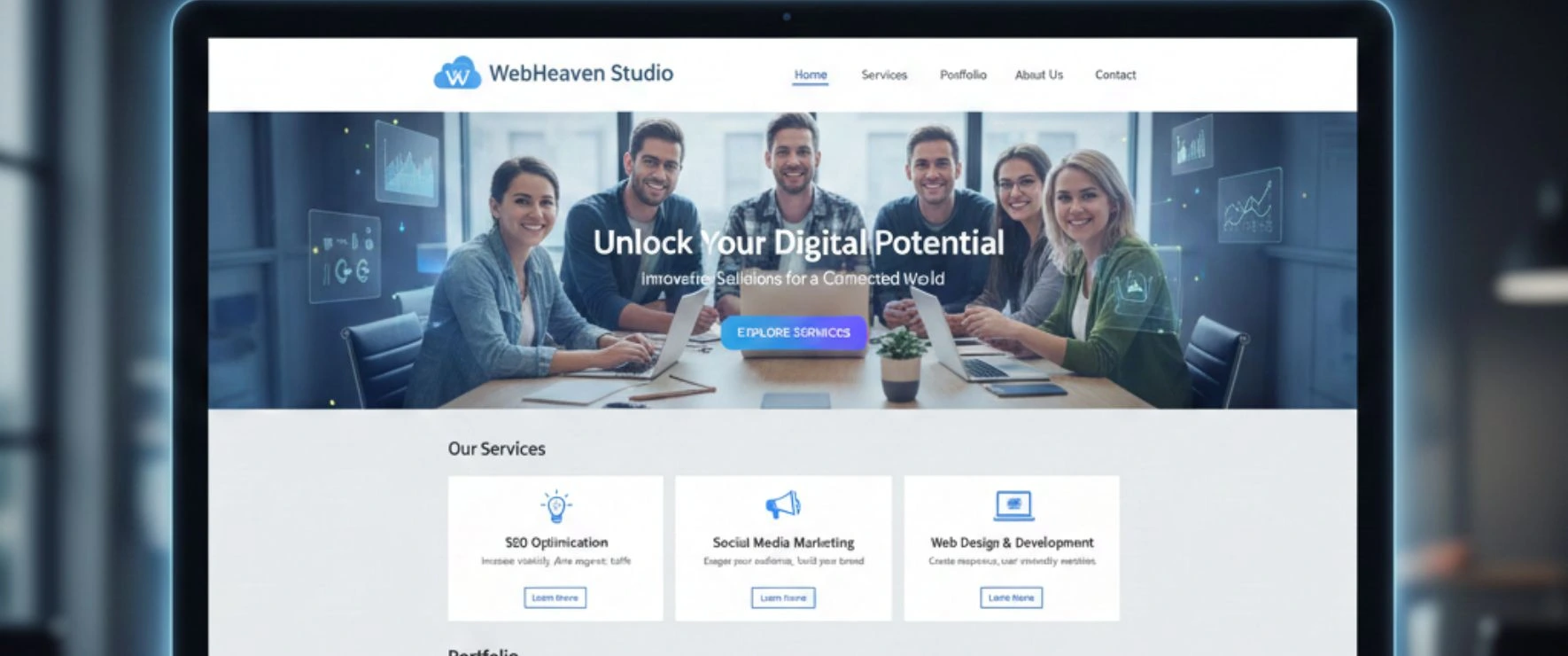
In today’s competitive online environment, having a strong online presence is essential for growth. A professional digital marketing company website acts as the foundation of your brand’s visibility, credibility, and lead generation efforts. It is often the first interaction potential clients have with your business, making it a critical factor in shaping trust and conversions.
Unlike basic websites, marketing-focused websites are designed to attract, engage, and convert users through strategy-driven content, clean design, and search engine optimisation. This blog explains why such websites matter, what they should include, and how to optimise them effectively—without keyword stuffing.
What Is a Digital Marketing Company Website?
A digital marketing company website is an online platform created specifically to promote marketing services such as SEO, PPC advertising, social media marketing, content marketing, and website development. It highlights expertise, showcases results, and communicates value to potential clients.
More importantly, it reflects the agency’s capability to implement the very strategies it offers to clients.
Why Is a Professional Website Essential for Marketing Agencies?
Your website is not just a digital brochure—it is a business growth tool. A well-built marketing website helps agencies establish authority and attract qualified leads.
Key benefits include:
- Builds credibility and trust
- Generates inbound leads continuously
- Improves brand visibility on search engines
- Demonstrates marketing expertise
- Supports long-term business growth
Without a strategic website, even skilled agencies may struggle to compete online.
How Does Website Structure Impact User Experience?
A well-structured website makes it easy for visitors to find information quickly. Clear navigation, logical page flow, and consistent design reduce bounce rates and improve engagement.
An effective structure includes:
- Simple menu navigation
- Clear service categorization
- Internal linking between related pages
- Easy access to contact information
Good structure improves usability and indirectly boosts SEO performance.
What Pages Should a Marketing Website Include?
Every professional marketing website should contain essential pages that address both user needs and search engine requirements.
Important pages include:
- Home page with clear value proposition
- About page highlighting expertise
- Service pages for each offering
- Case studies or portfolio section
- Blog or resources page
- Contact page with CTAs
These pages work together to guide users toward conversion.
Why Is SEO Crucial for Online Visibility?
Search engine optimisation ensures your website is discoverable by potential clients searching for marketing services online. A well-optimised site improves rankings and organic traffic over time.
SEO best practices include:
- Keyword-focused but natural content
- Optimized meta titles and descriptions
- Mobile responsiveness
- Fast page speed
- Secure HTTPS setup
A strategically optimised digital marketing company website demonstrates real SEO capability to prospects.
How Do Service Pages Improve Conversions?
Dedicated service pages allow you to explain offerings in detail while targeting specific search intent. Each page should focus on one service and clearly outline benefits.
Effective service pages include:
- Service overview
- Problems solved
- Process explanation
- Tools or techniques used
- Clear call-to-action
This approach improves both user clarity and search performance.
What Role Does Design Play in Trust Building?
Design directly impacts credibility. Visitors judge a brand within seconds based on layout, visuals, and overall appearance.
A trustworthy website design should be:
- Clean and modern
- Visually consistent
- Easy to read
- Mobile-friendly
- Fast-loading
A polished design enhances engagement and professionalism.
Why Are Case Studies and Testimonials Important?
Case studies show real-world results and build confidence. They help potential clients understand how your strategies work in practice.
A strong case study includes:
- Client background
- Challenges faced
- Strategy implemented
- Measurable outcomes
Adding social proof significantly improves conversion rates.
How Does Content Marketing Support Website Growth?
Content marketing plays a major role in educating users and driving organic traffic. Blogs, guides, and articles help establish authority and trust.
Benefits of content-driven strategies:
- Improves keyword rankings
- Increases website traffic
- Educates potential clients
- Supports long-term lead generation
Regularly publishing quality content strengthens your digital marketing company website over time.
How Can CTAs Improve Lead Generation?
Calls to action guide users toward the next step. Without them, visitors may leave without engaging.
Effective CTA examples include:
- “Get a Free Audit”
- “Schedule a Consultation”
- “Request a Proposal”
- “Talk to Our Team”
Well-placed CTAs improve conversion rates significantly.
Why Mobile Optimisation Cannot Be Ignored?
Most users browse on mobile devices. A mobile-friendly experience is essential for engagement and SEO.
Mobile optimisation helps:
- Improve user experience
- Reduce bounce rates
- Increase time on site
- Meet Google’s mobile-first indexing requirements
Every modern digital marketing company website must prioritise mobile usability.
How Often Should Marketing Websites Be Updated?
Regular updates keep your site relevant and competitive. Search engines prefer fresh and updated content.
Recommended updates include:
- Publishing new blog posts
- Updating service descriptions
- Refreshing case studies
- Improving existing SEO content
Consistent updates improve rankings and user trust.
Final Thoughts
A well-planned digital marketing company website is more than an online presence—it is a revenue-driving asset. When optimised correctly, it attracts quality traffic, builds credibility, and converts visitors into clients. Investing in strategy, design, and SEO ensures long-term success in an increasingly competitive digital landscape.
A. A digital marketing company website is an online platform that showcases a marketing agency’s services, expertise, and results to attract and convert clients.
A. A professional website builds trust, improves visibility, generates leads, and demonstrates marketing expertise.
A. Key features include SEO optimisation, service pages, case studies, mobile responsiveness, and strong CTAs.
A. SEO improves search engine rankings, drives organic traffic, and attracts high-quality leads.
A. Ideally, content and pages should be updated monthly to maintain relevance and SEO performance.